Physical AI: Real-World Applications
Thanks to advances in computing power, the Internet of Things (IoT) and advanced sensor technologies, Physical AI is becoming a key driver of transformation across many industries. Autonomous vehicles, smart manufacturing, medicine, and logistics - the application of this technology opens up new opportunities for increasing efficiency, safety, and productivity.
What is Physical AI: concept and key components
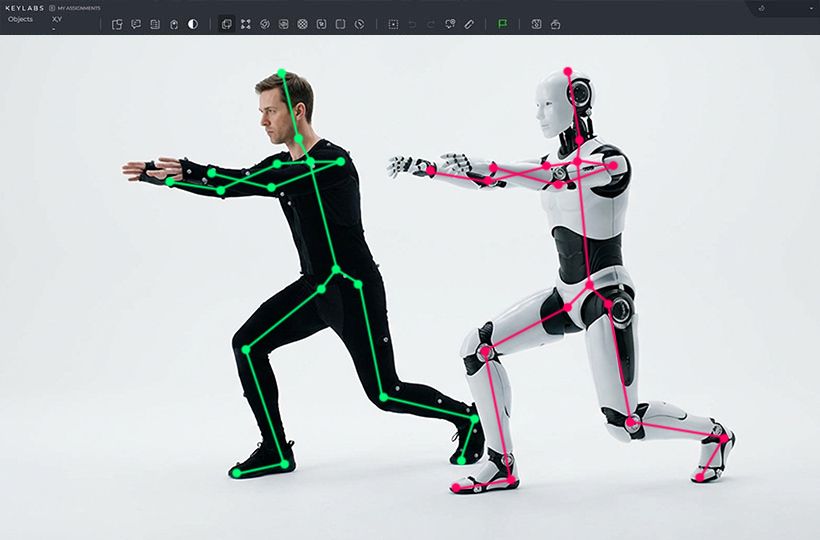
Physical AI examples include autonomous cars, industrial robots, drones, and smart devices that operate within the Internet of Things. All of these systems have one thing in common: they interact directly with the physical environment and adapt to its changes. Key components of Physical AI include:
- Sensor systems - cameras, lidars, radars, and other sensors that collect data from the environment. They are the basis for perception, which allows systems to function as real-world AI.
- AI algorithms - machine learning and computer vision models that analyze the data they receive and make decisions. These algorithms are the basis of robotics AI and allow systems to learn and improve their behavior.
- Computing infrastructure includes both cloud solutions and edge AI, enabling data to be processed directly on the device.
- Actuators (executive mechanisms) are components that provide physical action to a system, such as the movement of robots or the control of vehicles.

Architecture and principle of operation of physical AI
The physical AI architecture defines how intelligent systems interact with the physical environment, process data, and make decisions. The basis of this approach is the integration of sensors, computational models, and actuators into a single system that ensures the functioning of real-world AI and modern autonomous systems. A typical physical AI architecture consists of several sequential stages:
- Data collection. At this level, the system receives information from the environment using sensors such as cameras, lidars, radars, temperature sensors, and others. This allows you to form a digital representation of the physical world, which serves as the basis for many physical AI examples, particularly in robotics and autonomous transport.
- Processing and analysis. The collected data is transmitted to the computing module, where robotics AI algorithms, including computer vision, object recognition, and machine learning models, are applied. Edge AI plays an important role here by enabling calculations to be performed directly on the device, reducing latency and increasing system reliability.
- Decision-making. Based on the analyzed data, the system determines the optimal action. In autonomous systems, this process occurs without human intervention and is based on previously trained models and behavioral rules.
- Action execution. The decision is implemented through physical actions. These can include robot movements, changes in a vehicle's trajectory, or interactions with objects in the environment.
Perception layer and sensory integration
Computational layer and the role of Edge AI
Decision layer
Main areas of application: physical AI
In modern industry, Physical AI finds applications in manufacturing, transportation, logistics, medicine, and agriculture. These technologies include robotics, autonomous systems, and edge AI, which can improve the efficiency, safety, and accuracy of operations in various industries.
Industries utilizing physical AI
Advantages and challenges of physical AI
FAQ
What is physical AI?
Physical AI is the integration of AI systems with physical devices that can perceive, analyze, and act in the real world. It combines robotics, edge AI, and autonomous systems to interact with the environment.
How does physical AI differ from traditional AI?
Unlike traditional AI, which primarily operates on digital data, real-world AI interacts directly with the physical environment and executes actions via actuators.
What are the main components of physical AI?
Key components include sensors (cameras, LiDAR, radars), AI algorithms (robotics AI), edge AI for local processing, decision-making layers, and actuators for executing actions.
What is the role of sensors in physical AI?
Sensors enable the system to perceive the environment, collect data, and support sensor fusion. This is crucial for accurate real-world AI decisions in autonomous systems.
Why is edge AI important in physical AI?
Edge AI enables data processing directly on devices, reducing latency and enabling real-time decision-making for physical AI applications such as drones and warehouse robots.
What are common applications of physical AI in manufacturing?
In Industry 4.0, robotics and edge AI are used in assembly lines, quality inspection, and predictive maintenance to increase efficiency and reduce downtime.
How is physical AI applied in transportation?
Autonomous systems like self-driving cars and delivery drones use real-world AI to navigate safely, optimize routes, and minimize human error.
What are the main advantages of physical AI?
Advantages include increased efficiency, automation of repetitive tasks, cost reduction, and improved safety through accurate robotics and autonomous systems.
What are the key challenges of physical AI?
Challenges include safety risks, ethical concerns, data dependency, and high implementation costs, which can limit the adoption of physical AI examples.
What are the future trends in physical AI?
Future trends include fully autonomous systems, humanoid robots, integration with 5G/6G, and expanded use of edge AI for faster, smarter real-world AI applications.