Top Physical AI Companies Leading Innovation
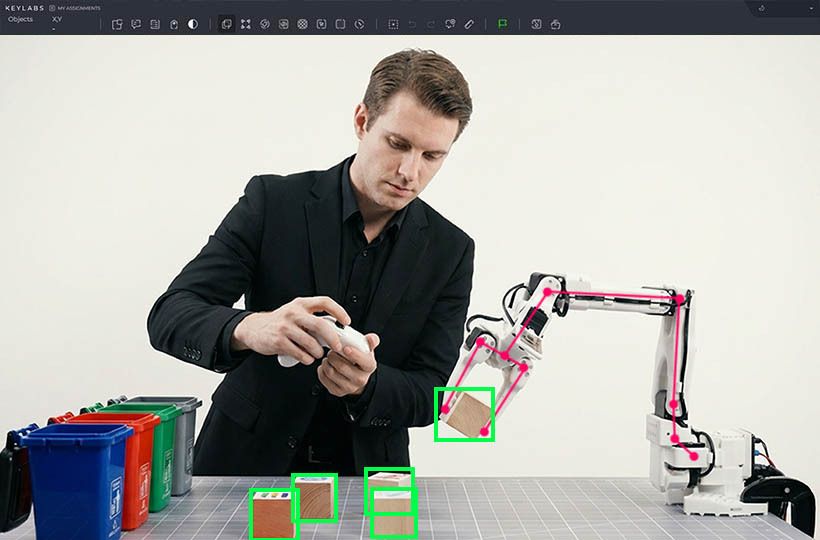
Physical AI combines machine learning algorithms with robotics, sensors, and autonomous systems to create machines that can interact with the real world, make real-time decisions, and perform complex tasks without direct human intervention.
Leading technology companies such as Tesla, Boston Dynamics, NVIDIA, and Alphabet are playing a key role in advancing this field. They are investing billions of dollars in the creation of autonomous vehicles, humanoid robots, intelligent manufacturing systems, and robotic solutions for logistics and medicine.

What is physical AI
Leading physical AI companies
Main areas of application of physical AI
Physical AI is a field that integrates AI algorithms with physical systems to perform tasks in the real world, enabling machines to act autonomously, interact with their environment, and make real-time decisions. In recent years, the role of embodied AI and robotics companies has been growing, developing comprehensive solutions for robotics, autonomous transportation, and medical systems, thereby increasing the efficiency and safety of processes.
In the context of autonomous transportation and mobility, AI tech leaders are implementing innovative systems of self-driving cars and drones that can perform complex actions without direct human control. The activities of companies such as Tesla and Waymo demonstrate the practical integration of physical AI into transportation systems, helping reduce human error and optimize logistics processes. In parallel, robotics startups are implementing the latest solutions for autonomous mobile platforms, expanding the scope of robotics in commercial and service areas.
Technologies enabling physical AI
The future and prospects of physical AI
Safety and reliability are key, as autonomous systems must operate accurately in dynamic, unpredictable environments to prevent accidents and failures. Regulatory frameworks are still evolving and need to address liability issues for autonomous systems’ actions, including potential errors or harm. Privacy concerns also arise when physical AI uses large amounts of data from sensor networks in public and private spaces. Ethical considerations extend to decision-making algorithms when robots interact closely with humans, such as in healthcare or social care.
Addressing these challenges requires coordination between industry leaders, regulators, and academic researchers. Establishing robust safety standards, transparent governance mechanisms, and ethical guidelines will allow AI robotics companies and robotics startups to develop physical AI responsibly and sustainably. The ability to address both technical and moral considerations will be critical to the long-term development of physical AI, enabling the technology to deliver transformative benefits while minimizing potential risks.
FAQ
What is physical AI?
Physical AI combines artificial intelligence with physical systems, enabling machines to perceive, learn, and act autonomously in the real world. Embodied AI companies and AI robotics companies are leading innovations in this field.
How does physical AI differ from traditional AI?
Unlike traditional AI, which operates mostly in digital environments, physical AI interacts directly with the physical world through sensors, robotics, and autonomous systems.
Which companies are leaders in physical AI?
Major players include tech leaders, AI companies such as Tesla and Alphabet, AI robotics companies such as NVIDIA, and innovative robotics startups developing new autonomous platforms.
What are the main applications of physical AI?
Physical AI is applied in autonomous transport, industrial automation, logistics, healthcare, and service robotics, enhancing efficiency and precision in real-world tasks.
How do robotics startups contribute to physical AI?
Robotics startups develop lightweight, mobile, and specialized robots for logistics, service, and healthcare, driving innovation in practical deployments of physical AI.
What technologies enable physical AI?
Core technologies include machine learning, computer vision, sensors, simulation environments, edge computing, and integrated robotic platforms. Embodied AI companies often combine these to create adaptive robots.
What are the main challenges of physical AI?
Challenges include safety, reliability, privacy, regulatory compliance, and ethical considerations, especially for systems interacting closely with humans.
How is physical AI transforming transportation?
Autonomous vehicles and drones developed by AI and robotics companies reduce human error, optimize logistics, and improve mobility in urban environments.
What role does physical AI play in healthcare?
Physical AI enables surgical robots, care assistants, and service robots, improving precision, reducing human workload, and allowing scalable healthcare solutions.
What is the future outlook for physical AI?
The future involves greater automation, smarter robotics, and new applications across industries. Collaboration among AI robotics companies, robotics startups, and tech leaders will determine safe, responsible, and sustainable growth of the field.