Physical AI Services: How Businesses Use AI Solutions
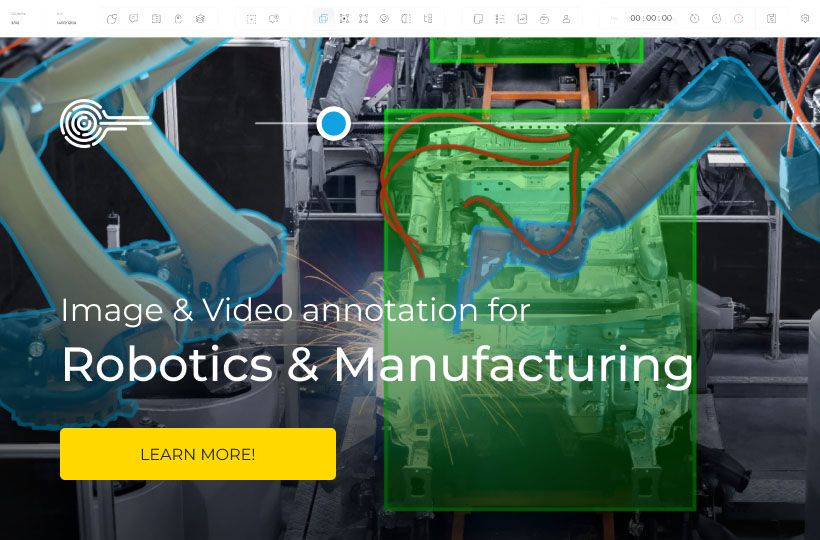
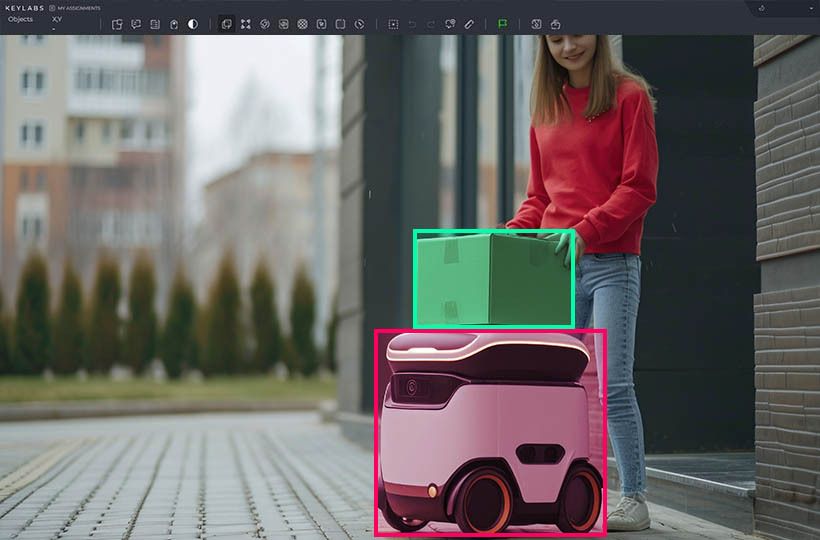
Physical AI is a technology that combines AI algorithms with real-world devices such as robots, sensors, and automated systems. They are capable of performing specific tasks in a physical environment, responding to changes, and making real-time decisions.
Businesses are implementing such solutions to optimize operations, increase productivity, and reduce costs. Physical AI is used in manufacturing, logistics, retail, and other industries - where speed, accuracy, and process continuity are critical.

Where businesses use physical AI
How physical AI impacts business
The introduction of physical AI changes not only individual processes, but also the overall logic of companies' work. Businesses get more predictable operations, faster data processing from the real environment, and the ability to scale operations without a proportional increase in costs.
One key effect is a reduction in operating costs. Automated systems take on routine tasks, reducing personnel burden and errors. This is especially noticeable in production and logistics, where even small optimizations yield significant financial benefits.
Businesses also see an increase in decision-making speed. Thanks to sensors and robotic systems, data from the physical environment is processed in real time, enabling faster responses to changes in demand, failures, or resource shortages.
Scalability is also an important factor. Companies can expand operations without a sharp increase in staff, since some functions are performed automatically. In such cases, AI implementation services are often used to help quickly adapt the infrastructure to new loads.
Stages of physical AI implementation in business
Problems and challenges of implementing physical AI
One of the main problems is the complexity of integration with existing infrastructure. Many companies operate on legacy systems that are not always compatible with modern robotic solutions. Because of this, implementation may require additional resources and time, as well as the involvement of specialized teams, particularly through AI implementation services that help align new technologies with current processes.
Another challenge is the high initial cost. Purchasing equipment, configuring systems, and training personnel can require significant investments that are not always affordable for small- and medium-sized businesses.
An important factor is the reliance on data and sensor quality. If information from the physical environment is inaccurate or incomplete, it directly affects system operations and can reduce automation efficiency.
There is also a shortage of specialists who understand both robotics and AI. Because of this, companies often turn to external partners and use collaboration models, particularly AI outsourcing and robotics, to close the expertise gap without a large-scale expansion of internal teams.
FAQ
What is physical AI in business?
Physical AI is the use of artificial intelligence combined with physical systems such as robots, sensors, and automated machines to perform real-world tasks. It enables businesses to automate operations across environments such as factories, warehouses, and retail spaces.
How does physical AI improve business operations?
It increases efficiency by automating repetitive tasks, reducing human error, and speeding up decision-making. This leads to more stable processes and better resource use across operations.
In which industries is physical AI most commonly used?
It is widely used in manufacturing, logistics, retail, and healthcare. These industries benefit the most because they involve large-scale physical processes that can be optimized with automation.
What role do AI implementation services play?
AI implementation services help companies integrate physical AI into existing systems without disrupting ongoing operations. They ensure technical compatibility and smooth deployment of automated solutions.
Why are AI services robotics important?
AI services and robotics provide ready-made or scalable robotic solutions that businesses can adopt more quickly. This reduces development time and allows companies to deploy automation without building everything from scratch.
What is AI outsourcing robotics?
AI outsourcing robotics is a model where companies delegate the development, maintenance, and optimization of robotic AI systems to external providers. It helps reduce internal costs and solve the lack of in-house expertise.
What are the main benefits of physical AI for businesses?
The main benefits include lower operational costs, higher productivity, improved accuracy, and faster processes. It also allows companies to scale operations without proportionally increasing workforce size.
What are the key stages of implementing physical AI?
The process typically includes analyzing operations, selecting automation scenarios, running pilot projects, integrating systems, scaling, and ongoing optimization. Each stage ensures that the solution works effectively in real conditions.
What challenges do companies face when adopting physical AI?
Common challenges include high initial costs, integration difficulties with legacy systems, and a lack of skilled specialists. Data quality and system reliability are also critical factors.
What is the future of physical AI in business?
Physical AI is expected to become more autonomous and deeply integrated into business operations. Over time, companies will rely more on combined ecosystems of robotics and AI services to manage entire workflows efficiently.